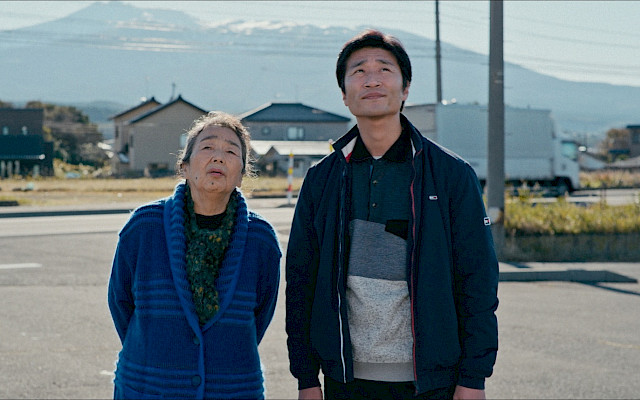
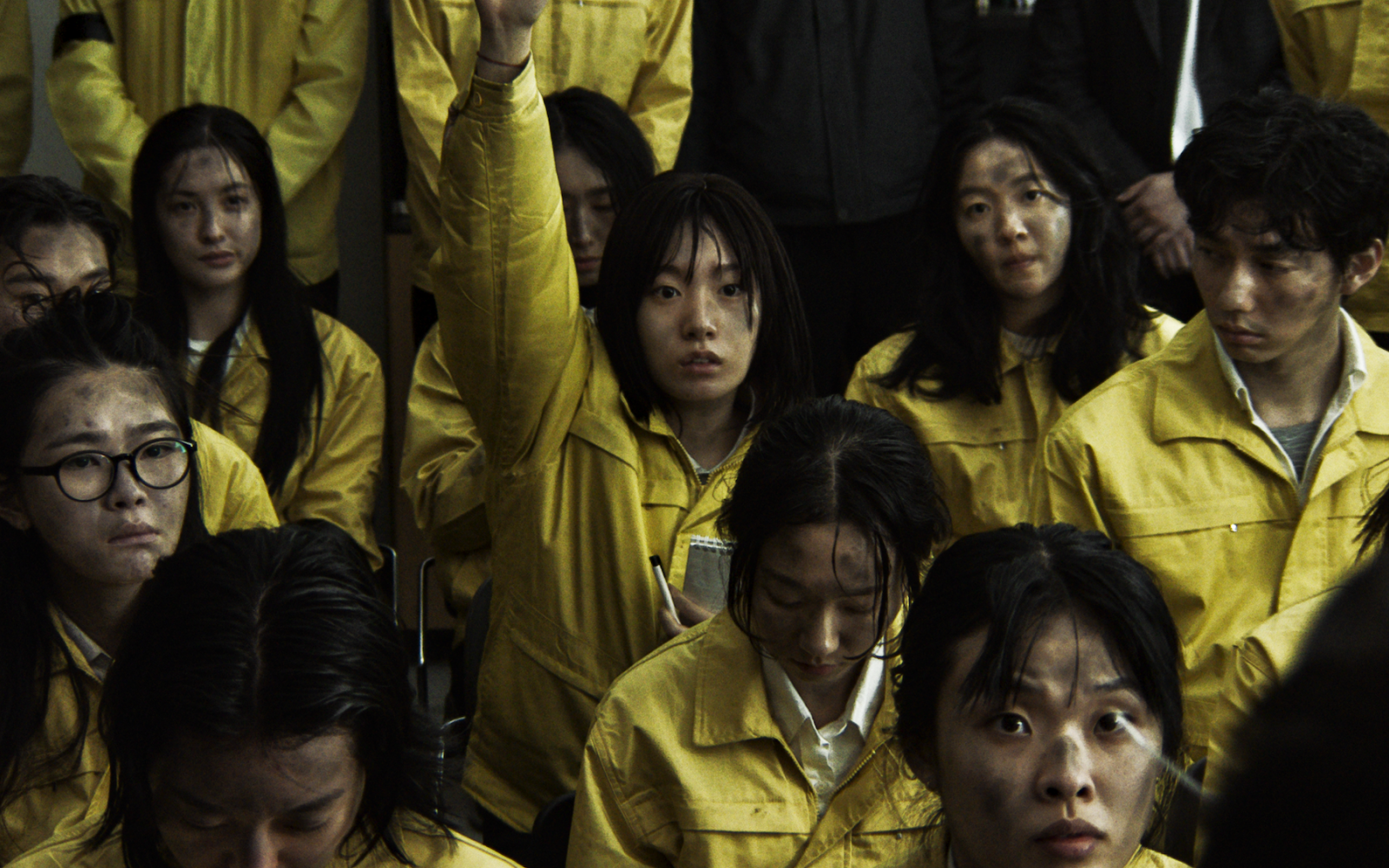
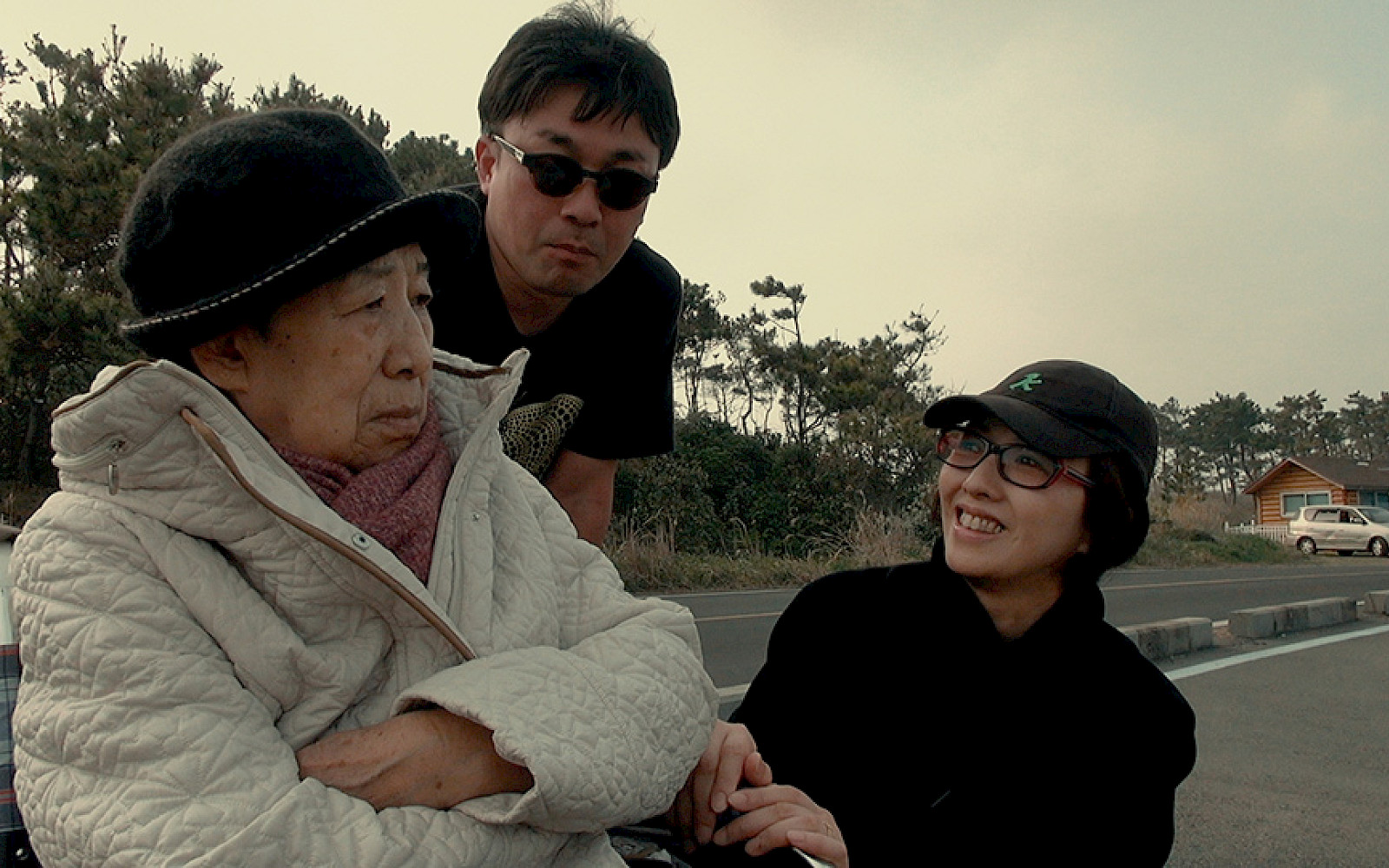
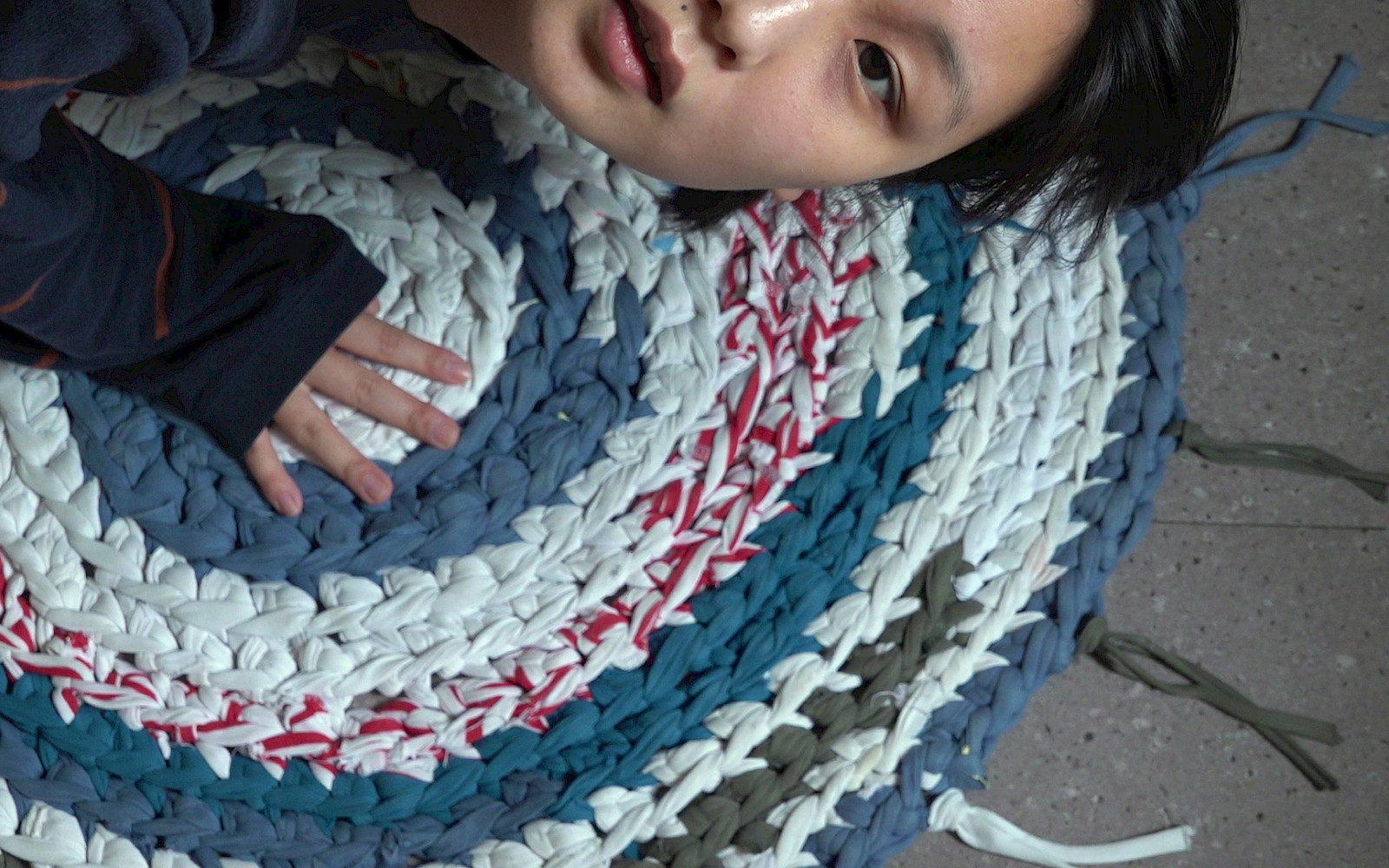

Jedes Jahr lädt Kino Kosova ein Gastland ein, dessen Filme neue künstlerische Perspektiven eröffnen. Unsere bisherigen Wahlen – Griechenland, Bosnien und Herzegowina sowie Portugal – entstanden aus naheliegenden kulturellen oder gesellschaftlichen Verbindungen: ein gemeinsames Balkan-Erbe, eine gemeinsame Geschichte und politische Verflechtungen, die eine künstlerische Zusammenarbeit sowohl naheliegend als auch notwendig machten; oder, im Fall von Portugal, aus der Realität der Diaspora in der Schweiz, wo sowohl der Kosovo als auch Portugal starke Gemeinschaften haben, die zur kulturellen Landschaft des Landes beitragen.
Dieses Jahr, mit Südkorea im Fokus, verlassen wir bewusst die vertrauten Parallelen. Zwischen dem Kosovo und Südkorea gibt es keine vorbestehende kulturelle Verbindung und in der Schweiz keine gemeinsame Migrationsgeschichte. Stattdessen erkunden wir das Potenzial einer neuen Verbindung, die einzig durch das Kino entsteht.
Eine gemeinsame filmische Sprache
Trotz ihrer Unterschiede weisen kosovarische, südkoreanische und Schweizer Filme eine auffallende thematische Übereinstimmung auf. Sie alle beschäftigen sich mit: Identität und Zugehörigkeit, gesellschaftlichem Druck und Ungleichheit, Wandel in sich rasch verändernden Gesellschaften sowie der Resilienz von Menschen, die sich in komplexen Realitäten zurechtfinden müssen.
Das kosovarische Kino spiegelt oft eine postkonfliktuelle Identität und intime menschliche Geschichten wider. Das südkoreanische Kino ist weltweit für seine einfallsreiche Erzählweise und seine furchtlose Gesellschaftskritik bekannt.
Das Schweizer Kino bringt eine mehrsprachige, multikulturelle Perspektive ein, geprägt von Migration und Zusammenleben.
Gemeinsam entsteht so ein eindrücklicher Dialog darüber, wie sich Gesellschaften entwickeln und wie Menschen darin ihren Platz finden.
Warum Südkorea?
Das südkoreanische Kino fasziniert die Welt seit Jahren mit seiner mutigen Erzählweise, seiner emotionalen Tiefe und seiner furchtlosen Auseinandersetzung mit gesellschaftlichen Realitäten. Die Filme bewegen sich mühelos zwischen den Genres und verbinden Schönheit mit Brutalität, Humor mit Tragik.
Sie stehen in starkem Einklang mit den Themen, die Kino Kosova zeigt, und eröffnen unserem Publikum einen neuen filmischen Horizont. Mit der Wahl Südkoreas schlagen wir eine kulturelle Brücke – nicht basierend auf bestehenden Beziehungen, sondern auf der Überzeugung, dass das Kino selbst bedeutungsvolle Verbindungen schaffen kann.
Südkorea im Fokus ist unsere Einladung, Grenzen zu erweitern – künstlerische, kulturelle und persönliche. Und indem wir Südkorea in den Fokus rücken, beantworten wir zugleich unser diesjähriges Thema: Wir füllen eine künstlerische „Leere" mit neuem Dialog, neuen Perspektiven und neuen Begegnungen. Unser Thema «Where is everybody?» fragt, wo alle sind – und unsere Wahl zeigt: Manchmal entstehen Verbindungen nicht von selbst, wir müssen sie schaffen.
Festivalpartner – Seoul Independent Film Festival (SIFF)
Das Seoul Independent Film Festival (SIFF) ist ein jährlich stattfindendes Wettbewerbsfestival in Südkorea, das ein breites Spektrum an Independent-Filmen zeigt – unabhängig von Thema, Format oder Genre. Es wurde 1975 gegründet und verfolgt unter anderem das Ziel, neue Talente zu entdecken, zur qualitativen Verbesserung des unabhängigen Kinos beizutragen und internationale Independent-Filme vorzustellen, um koreanische Filmschaffende zu inspirieren. Es ist das einzige unabhängige Filmfestival Koreas mit einem Wettbewerbsprogramm und versteht sich als Brücke für globale Vernetzung: Es bringt koreanische Independent-Filme auf internationale Plattformen – und umgekehrt.
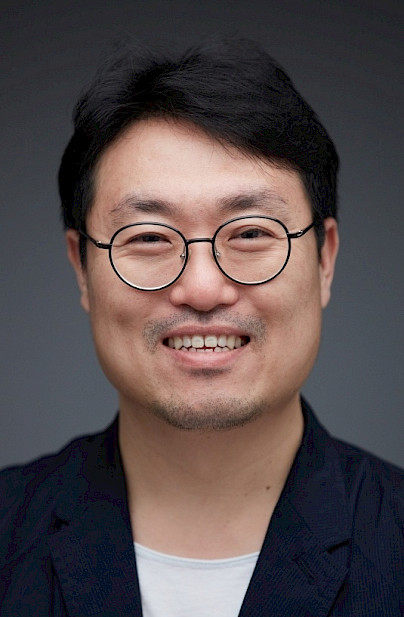
Das Programm wird kuratiert von Kim Young Woo
Biografie
Er ist ein erfahrener internationaler Kurator und Programmgestalter mit einem Studienhintergrund in Bildender Kunst und Fernsehen von der Rutgers University. Seit langem ist er auf der internationalen Festivalbühne aktiv: Er war Mitglied der Auswahlkommission des Busan International Film Festival und von DMZ Docs Korea und war als Auswahlberater und Programmgestalter für IDFA, Locarno, Sheffield Doc/Fest, das Seoul Independent Film Festival und das Red Sea International Film Festival tätig. Kürzlich kam er als Programmgestalter zum Mise-en-scène Short Film Festival und zum Bucheon International Fantastic Film Festival hinzu. Mit einem geschulten kuratorischen Blick und einer tiefen Vertrautheit mit der internationalen Filmkultur setzt er sich beständig für das unabhängige Kino und den Dokumentarfilm ein und wirkt dabei als wichtige Brücke zwischen Asien und der globalen Filmgemeinschaft.
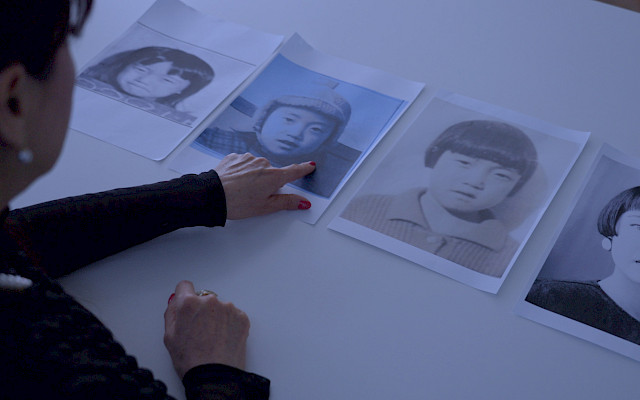
Jo Seyoung | 2025Dokumentarfilm112'
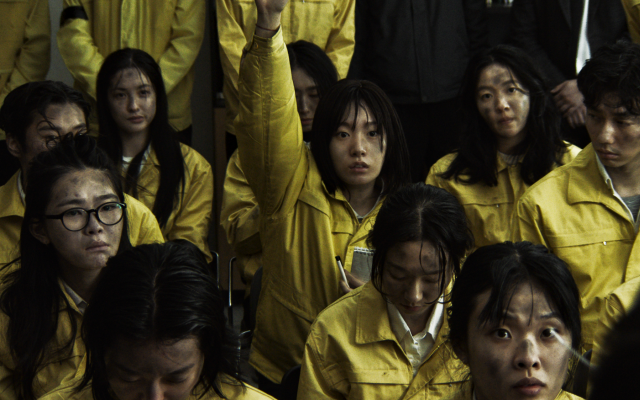
Syeyoung Park | 2025Fiktion85'

Kim Bo-sol | 2025Fiktion/ animation73'
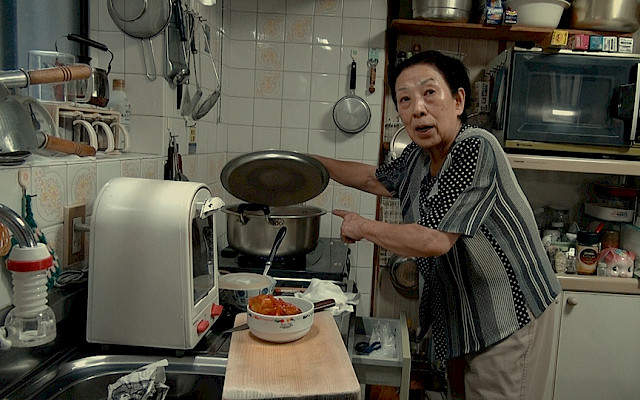
Yang Yong-hi | 2021Dokumentarfilm118'
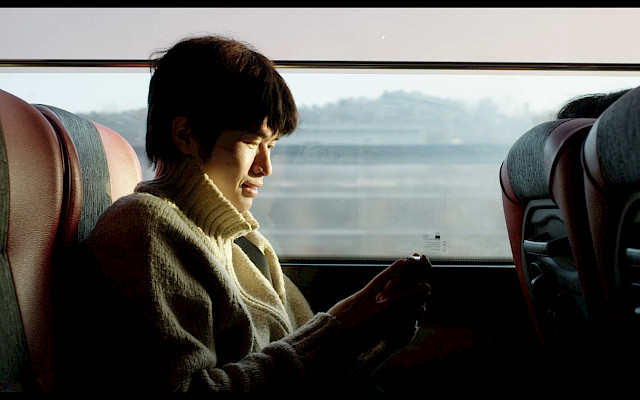
Seung-chae Lee | 2025Fiktion, Kurzfilm19'
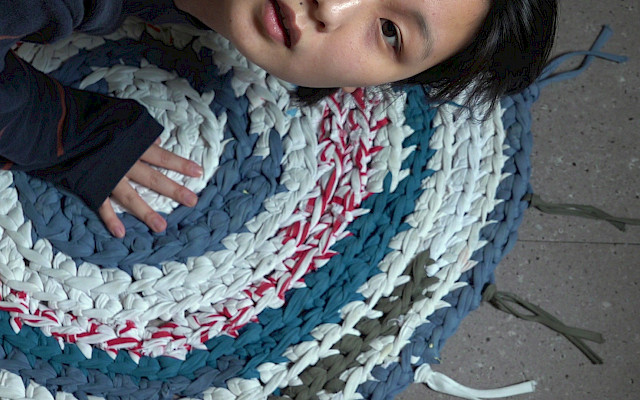
Hanna Cho | 2023Dokumentarfilm36'

PROGR
Atelier 260.1
Waisenhauspl. 30
3011 Bern
Switzerland
info@kinokosova.com